 An official website of the United States government


 ) or https:// means you've safely connected to the .mil website. Share sensitive information only on official, secure websites.

About JTS
Joint Trauma System
Saving Lives with
Data Through Evidence-Driven Performance Improvement
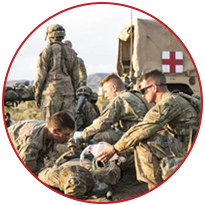
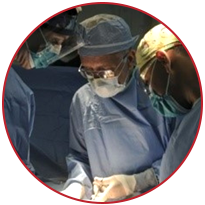
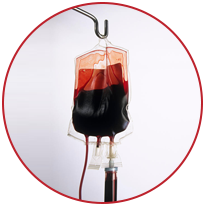
The Joint Trauma System (JTS) was established by law in 2016 under the National Defense Authorization Act for Fiscal Year 2017. As the Department of Defense's reference body for trauma care, JTS' mission is to save lives with data. We use data to improve battlefield outcomes and trauma readiness as well as support casualty care through evidence-driven Performance Improvements.
Our vision is to support the combatant commands by ensuring every service member injured in any theater of operation will be provided with the optimum chance for survival and maximum potential for functional recovery.
History
The JTS grew out of grassroots efforts during conflicts in Afghanistan and Iraq. When a barebones team of U.S. Army nurses, medics, and trauma surgeons observed that U.S service members were dying from survivable injuries, they began collecting rudimentary data to highlight operational challenges and offer tangible solutions (i.e., tourniquets, hypothermia prevention and management kit, blood product resuscitation, etc.).
The deployed team became known as the Joint Theater Trauma System and was codified on December 22, 2004, by the Assistant Secretary of Defense for Health Affairs. Policy 04-031, "Coordination of Policy to Establish a Joint Theater Trauma Registry" set out to establish a trauma system ensuring "the right patient received the right care at the right time and in the right place" to improve battlefield survivability and decrease morbidity from trauma.
Initially this goal was not an absolute; many hard-fought lessons were learned and applied to develop the DOD's trauma system. As the conflicts in the Middle East drew on, JTS gathered critical data, designed battlefield medical protocols, and prepared military providers for combat casualty care.
The Joint Trauma System was officially established on September 28, 2016, in DOD Instruction 6040.47 hosted by the U.S. Army. In 2018, it was realigned to the Defense Health Agency.
Operational Cycle
The JTS Operational Cycle demonstrates the best of the battlefield learning health care system. Keeping casualty-prevention at the center of the JTS' "Act, Learn, Adjust“ cycle, facilitates the growth of the trauma system to improve and decrease battlefield morbidity and mortality. The JTS strengthens providers at all levels in the execution of bold and responsible battlefield medicine.
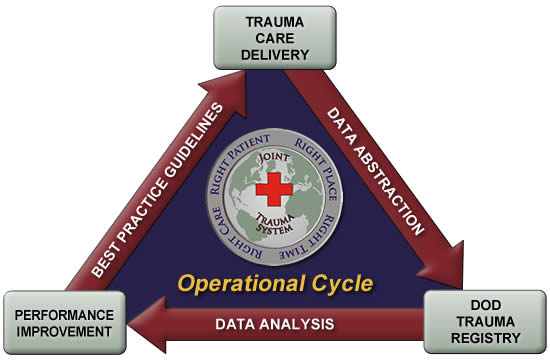
JTS' ability to rapidly transform battlefield care based on an organized cycle is one the DOD's greatest innovations in the first 20 years of this century. The JTS collects data to characterize injuries and care from point of injury/wounding on the battlefield to rehabilitation/reintegration in garrison. The Department of Defense Trauma Registry data is validated, analyzed, and used to develop battlefield guidelines (Tactical Combat Casualty Care and Clinical Practice Guidelines) optimizing medical performance and enhancing outcomes. Additionally, this data is used to inform key organizational pillars of doctrine, policy, organization, education, training, materiel, leadership, and personnel. Combat casualty care data is a strategic asset at the root of a well-functioning trauma system. An optimized trauma system saves lives, improves morale, and is considered a combat enabler through increased return to duty rates.